Blueberry Lemon Sourdough
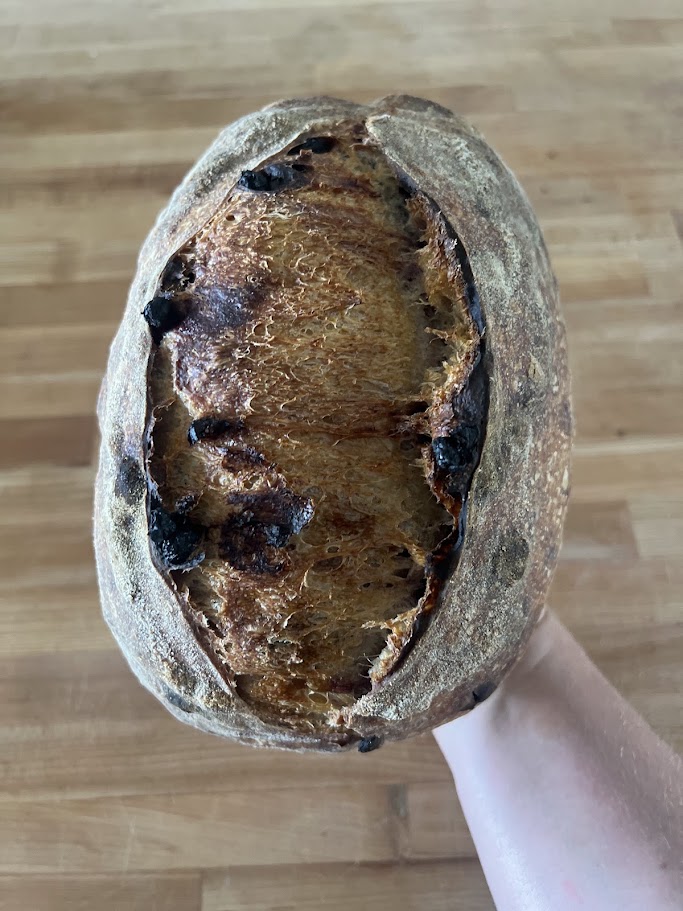
Two options, depending on your vibe (though freeze dried is much more reliable)!
Why I Like This Recipe
Fresh blueberries give you that jammy, luscious bite; freeze-dried give you an even crumb with berries in every slice. Either way you end up with a delicious loaf, and the lemon zest is what makes it.
Ingredients
Dough
Instructions
- Mix the flour, water, starter, and salt together (see the notes on water and mixing).
- Let the dough rest for 30 minutes.
- Add the blueberries and lemon zest right before your first coil fold. I prefer coil folds when incorporating inclusions, because stretch-and-folds tend to push the fruit toward the middle of the dough, while coil folds gently work them through instead. Let the dough rest another 30 minutes, then do 3 more folds for a total of 4. You'll know your folds are done when the dough still shows the lines from your last fold even after a 30-minute rest. That means it's holding structure.
- Once your folds are done, let the dough finish bulk fermentation. Look for bubbles, a visible rise, and a change in texture. It should feel air-filled. Make sure it hasn't overfermented, which shows up as dough that won't hold its shape and tears as you try to shape it. If that happens, don't worry, just note the timing and cut your bulk fermentation shorter next time. Here is the whole video!
- Shape: Lightly dust the surface of the dough and your counter with all-purpose flour, turn the dough out, and shape it into a batard or boule, making sure it doesn't stick to the counter.
- Liberally flour the dough (or use a light dusting of rice flour) and place it into your banneton (see the note on bannetons). Refrigerate overnight.
- The next day, preheat a Dutch oven at 475°F for 30 minutes (timing may vary by oven). Take the dough out of the fridge, score it, and place it in the Dutch oven. Cover and bake for 20 minutes. After 20 minutes, lower the heat to 450°F and remove the lid. Bake for an additional 15–20 minutes, depending on how dark you like your crust, until the internal temperature reaches 200°F.
- Cool, then eat!
Laila's notes
- On water: Use the amount you're comfortable with, but if you're adding fresh blueberries, reduce it slightly so the dough can support the berries as they burst during baking.
- On flour: You can make this loaf with any type of flour. If you prefer spelt, more whole wheat, or a base dough you already know well, use that. The base is entirely up to you. The only caveat: if you're using fresh blueberries, don't let your dough get too wet. As the berries burst during baking, the extra liquid can mess with the structure of an already high-hydration dough and make it harder to rise.
- On mixing: How you mix is your choice. If you prefer to autolyse or use a stand mixer, go for it! Sourdough baking is deeply personal, and every baker does it a little differently, which is part of what makes it special. That said, if you're using fresh blueberries, don't use a mixer to incorporate them. A mixer is fine for freeze-dried blueberries, but don't overmix, or the dough will turn blue/purple and the berry flavor will get muddled.
- On bannetons: If you don't want to risk staining your banneton, line it with a clean kitchen towel instead. Just be sure to flour it liberally so the dough doesn't stick.
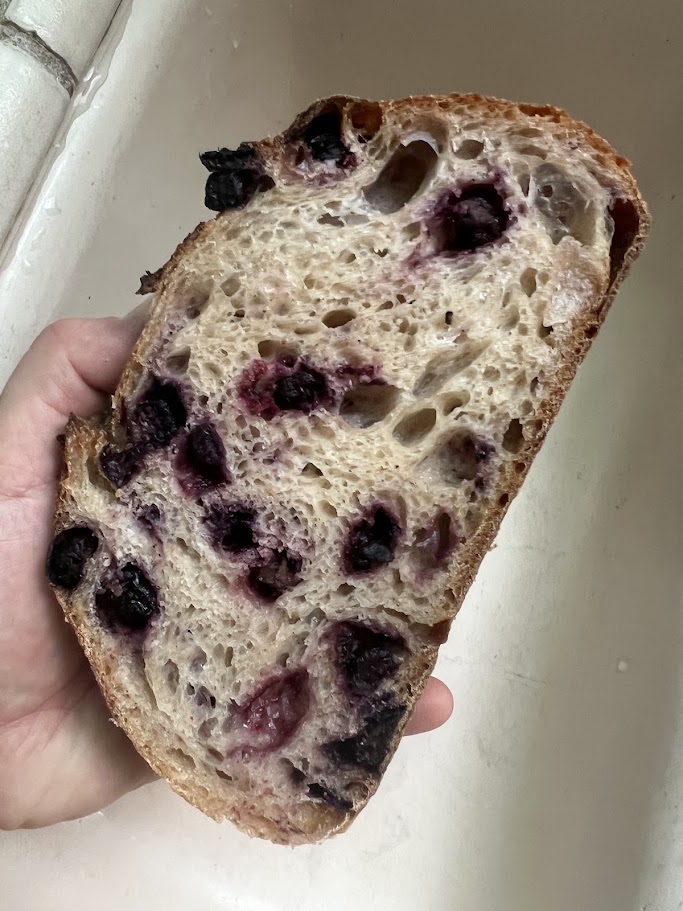
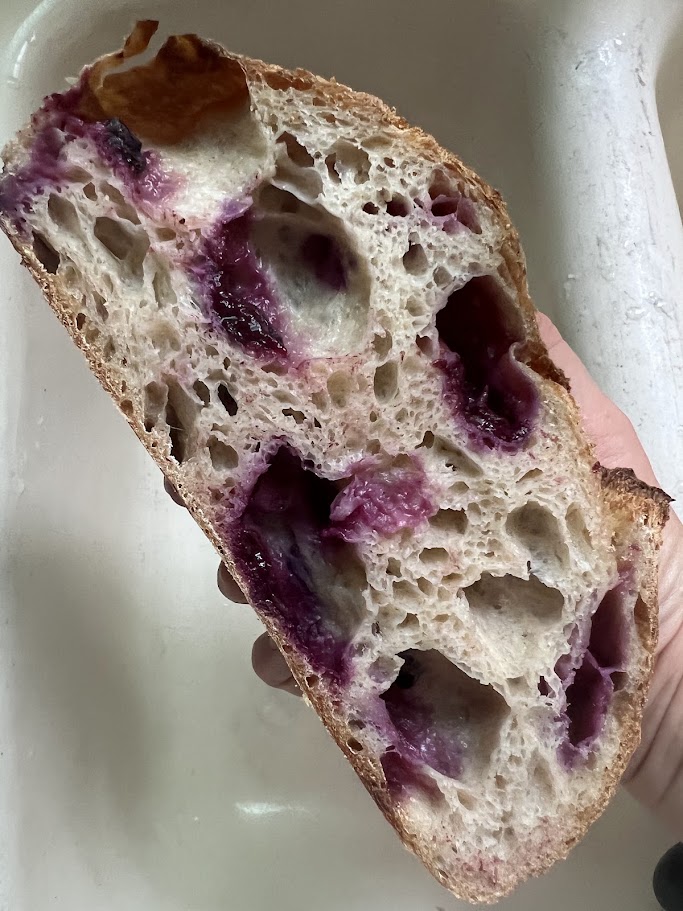
- On choosing the blueberries: I highly recommend using freeze dried blueberries. They pack a flavor punch, distribute evenly and don't steam while baking. Fresh blueberries will cause gaps in your crumb from the water releasing during baking.
Behind the Bake
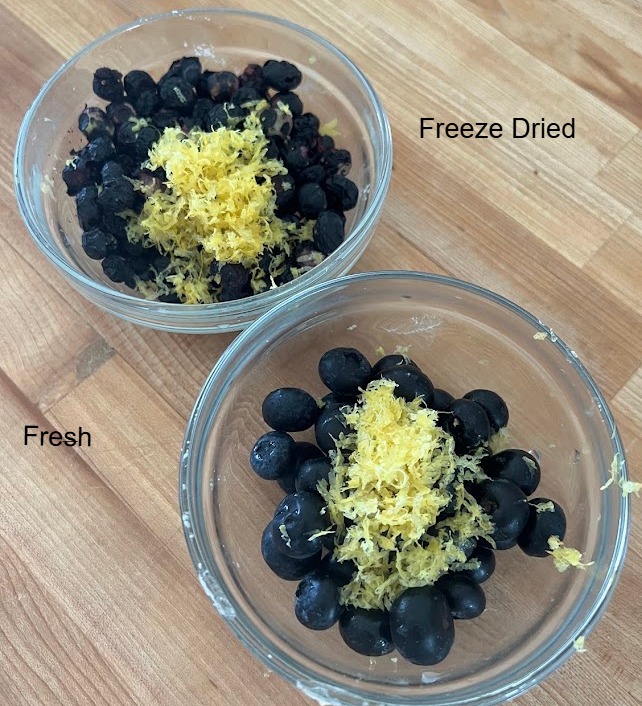
When you voted on which inclusion loaves you wanted, I got to work and tested this loaf over and over again. In the end, I decided to show you two ways to make it: one with fresh blueberries for those of you who prefer to use what you have, and the other with freeze-dried.
While I like specialty ingredients (ahem, milk powder and diastatic malt), I prefer to share recipes that you can make without running to the grocery store, or a certain online two-day/overnight shipping platform. But with this one, I really think the freeze-dried blueberry version wins. Why? Because even with a lower hydration dough, fresh blueberries have water in them, and any inclusion that steams inside while cooking will cause air bubbles to form around it, leaving you with pockets in between. Even with aggressive shaping and pushing fermentation, this happened during my testing.
Flavor-wise, I slightly prefer fresh blueberries, because you get that jammy, luscious texture when you bite into the loaf. But my family and friends who tried both versions didn’t mind the freeze-dried one at all, and everyone agreed that an even distribution of berries and an even crumb won out in the end. Throughout my testing, I also noticed that fresh blueberries really like to clump in one or two sections of the dough, leaving you with no blueberries in some bites. The freeze-dried version was always evenly distributed.
Either way, you’ll end up with a delicious loaf of bread.
Laila's Tools
More Like This
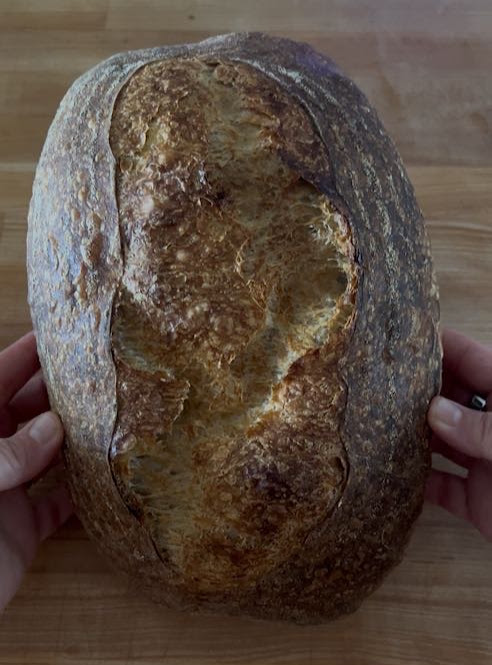
100% Hydration Bread
This one is for the overachievers or the "we'll see!" people. It's just starter, flour, salt, and a lot of water, and it will test your instincts. Is it worth it? I don't know! But it's fun.
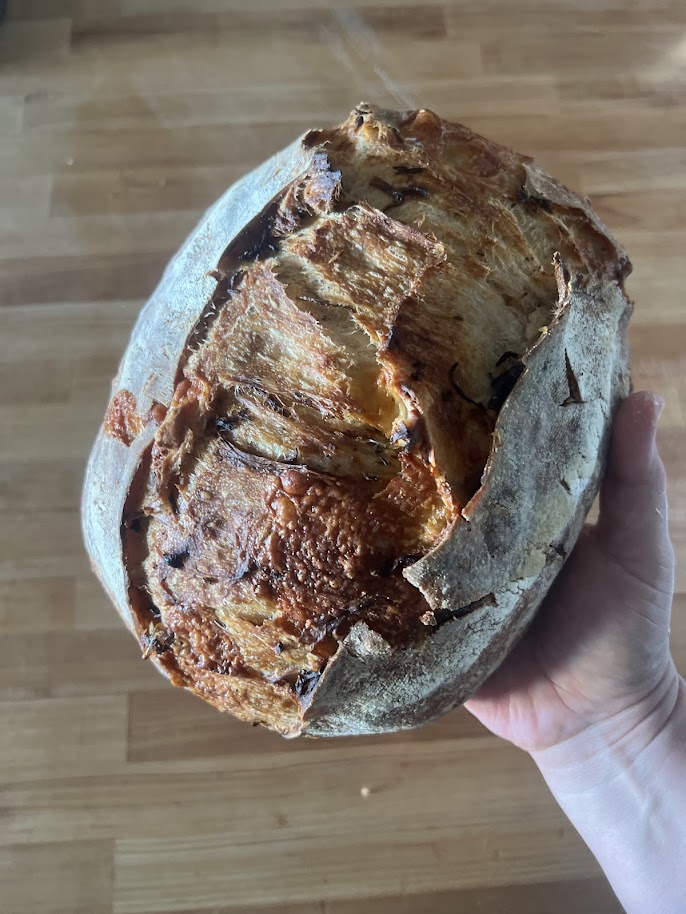
French Onion Sourdough Bread
Two things I love, french onion soup and sourdough bread, combined into one of the best smelling (and tasting) breads I have ever made. Caramelized onions, funky aged Gruyère, and fresh thyme.
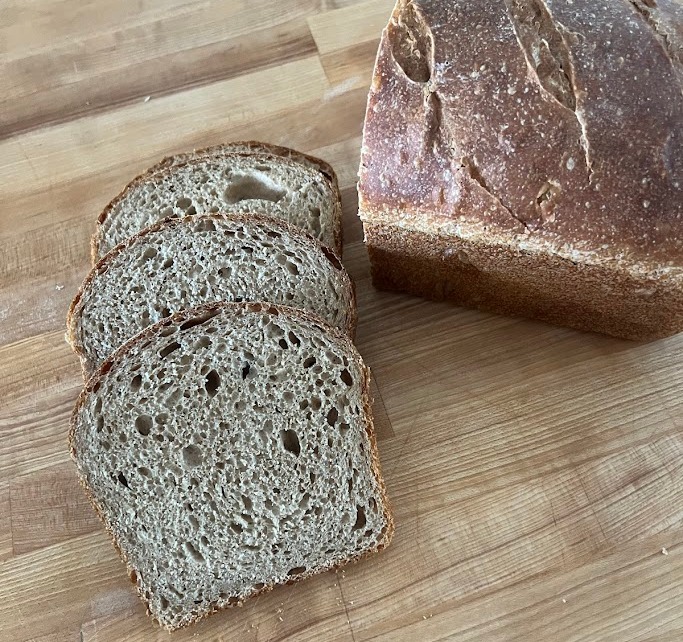
Honey N Spelt Sandwich Bread
My kids love a sandwich, and one of them is a crust hater who will eat this crust (most of the time). It's 60% whole spelt, with a bit of honey and avocado oil you can swap for any sweetener and fat you like.
My Rating
Made this recipe? Tap a star to rate it.
Comments